
Jeudi 20 septembre 2018
Le Paléolithique
du sous-continent indien
Claire GAILLARD
Ex-chargée de recherches en Préhistoire au CNRS
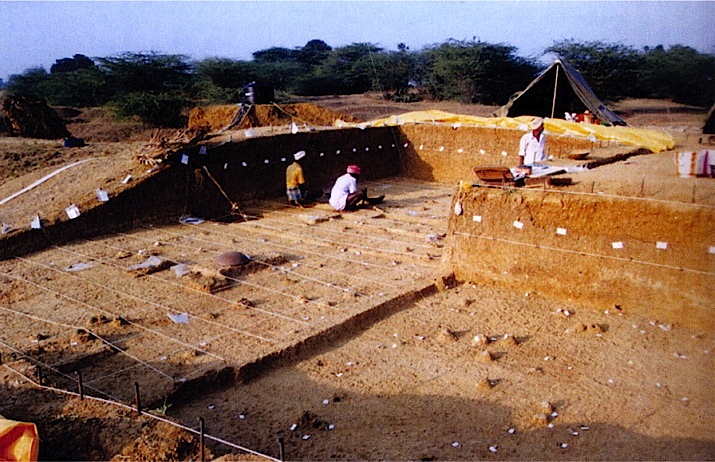
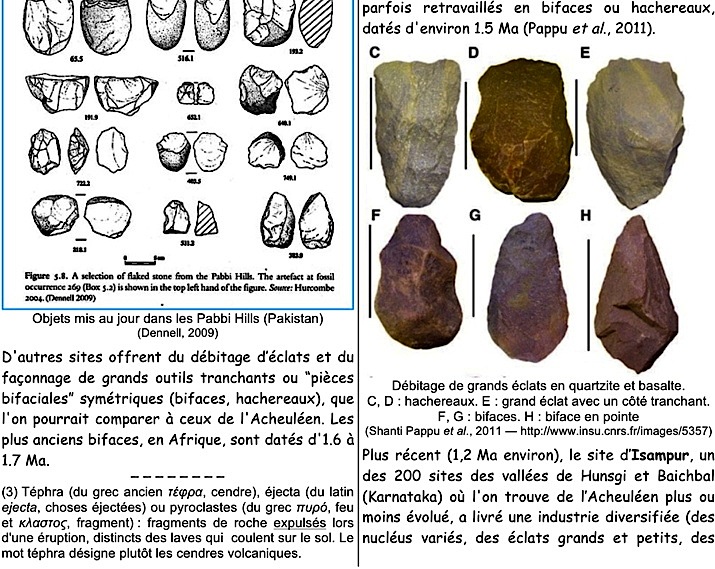
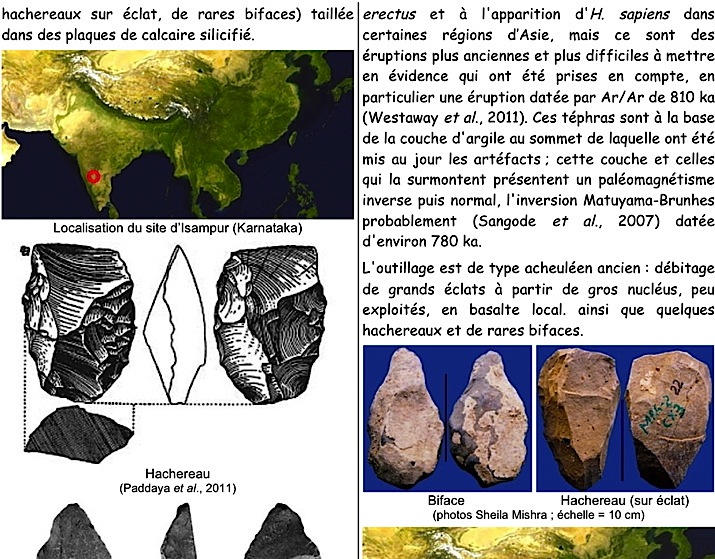
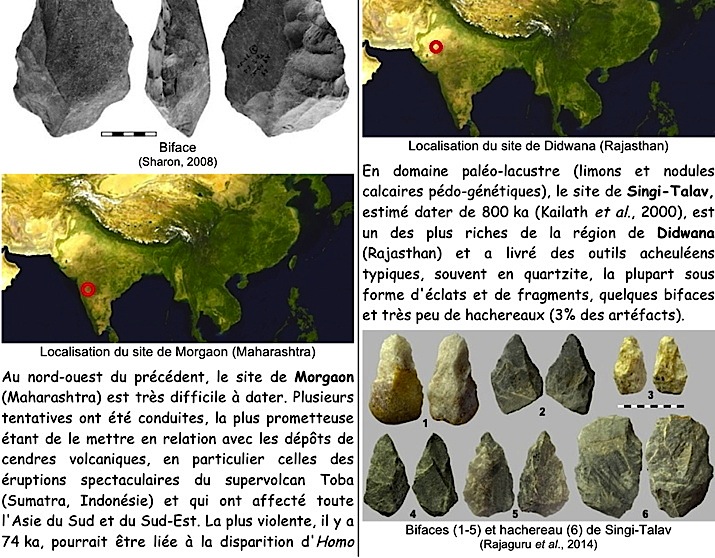
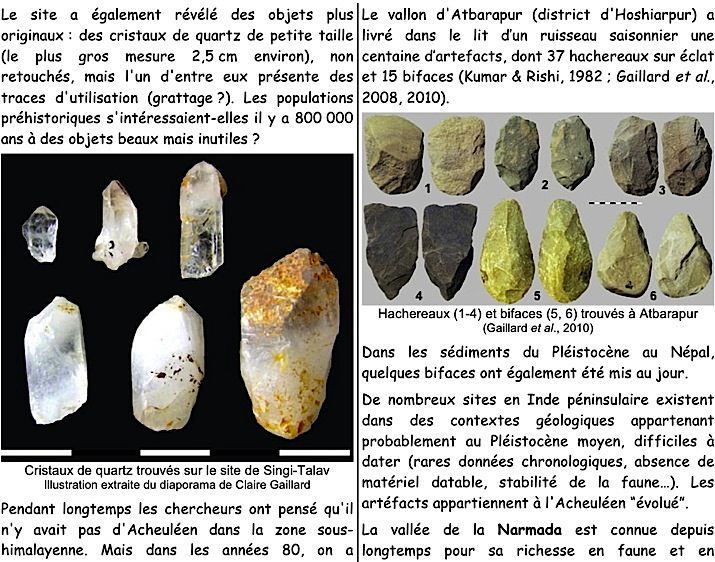
Site acheuléen d'Attirampakkam (région de Chennaï - anciennement Madras - Inde)
daté de 1,5 Ma (Pappu et al. 2011)
(photo S. Pappu 2004)
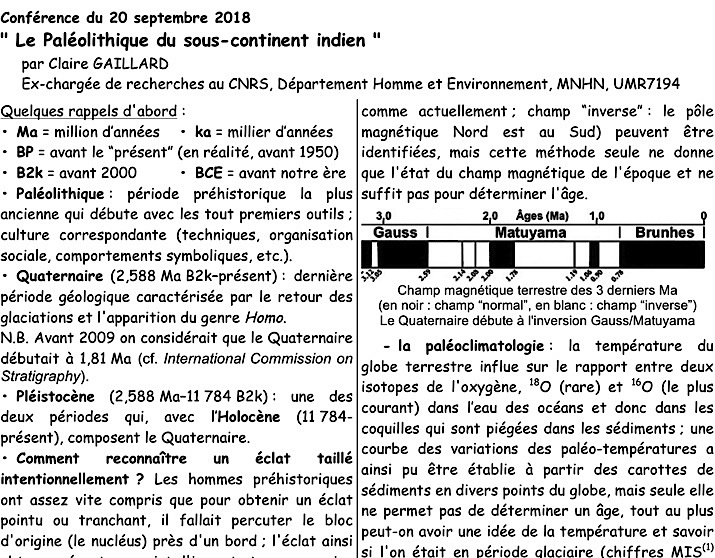
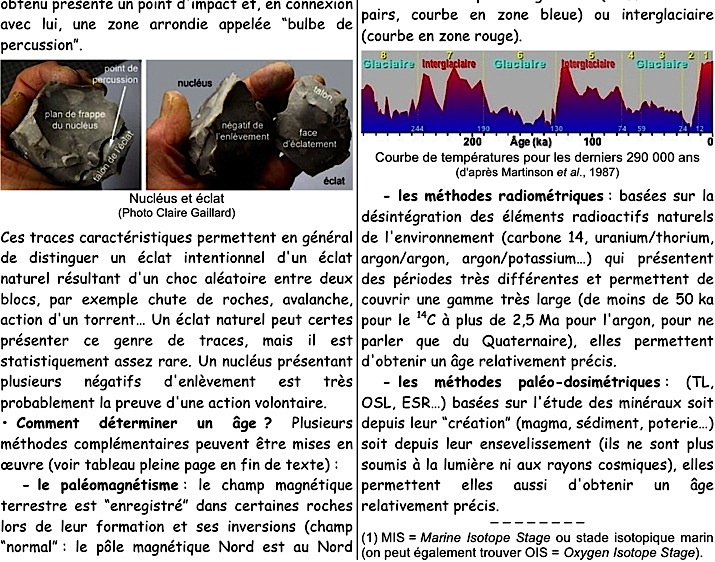
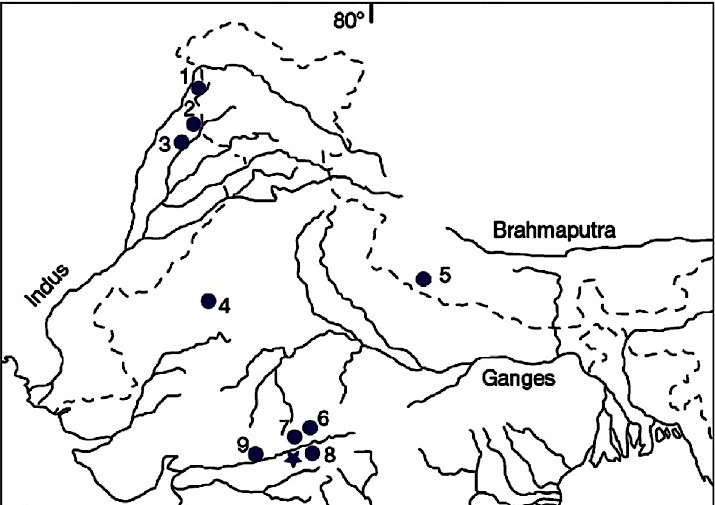
1
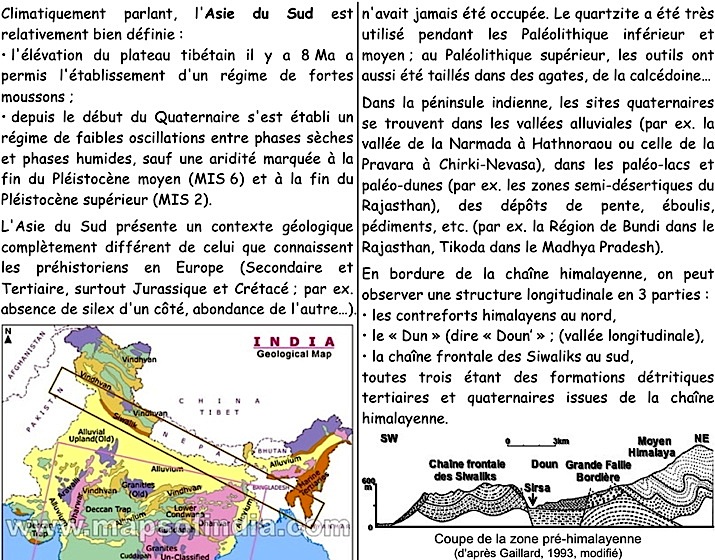
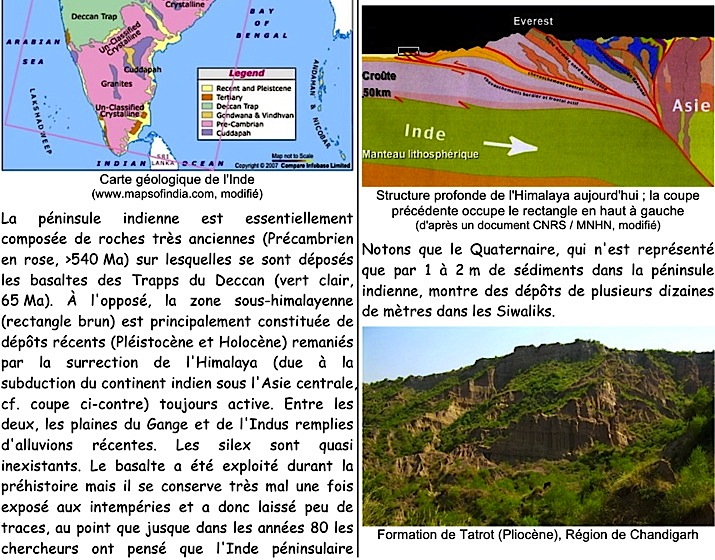
2
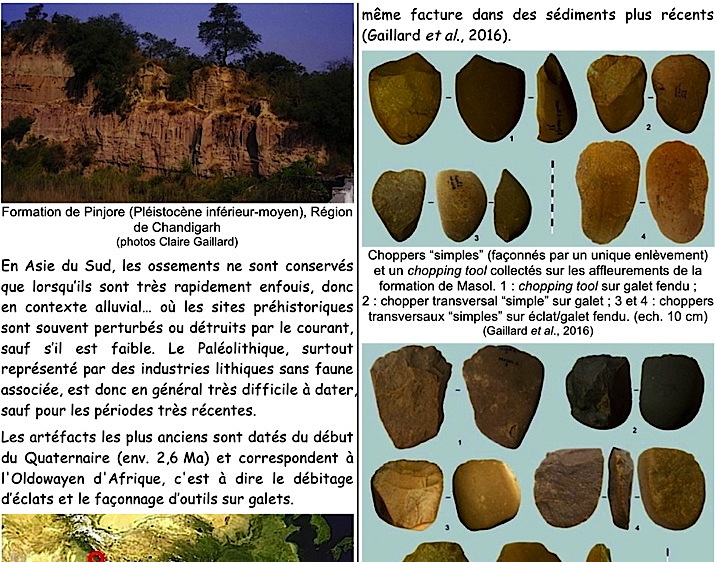
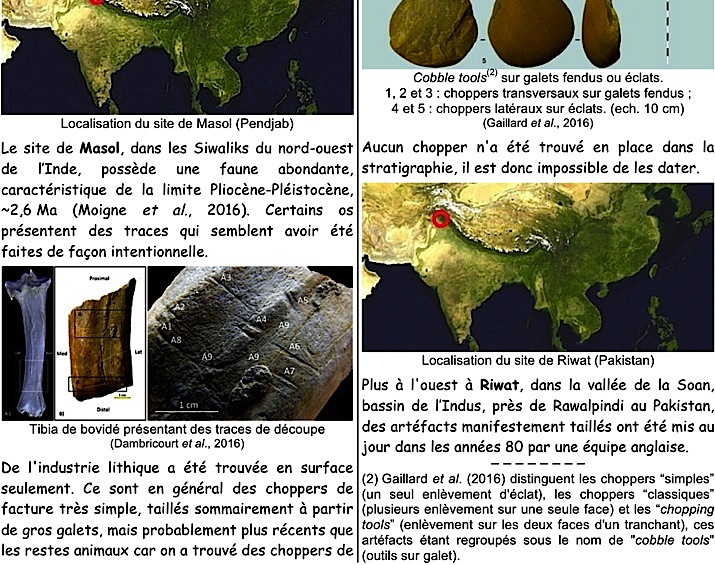
3
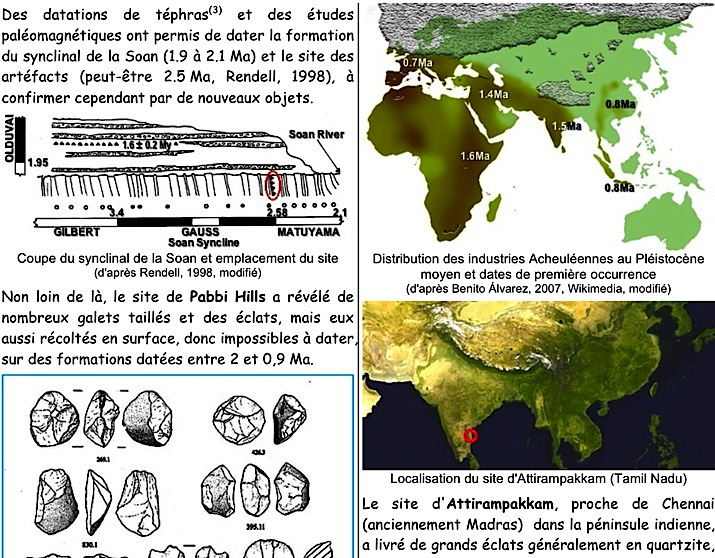
4
5
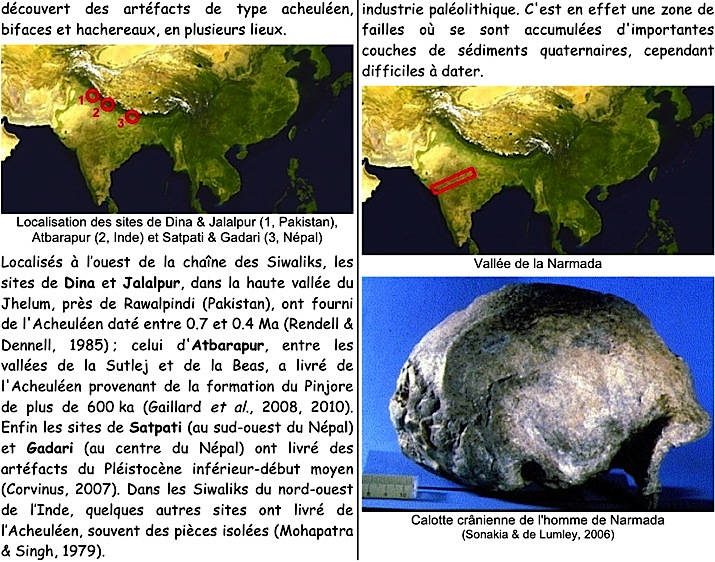
6
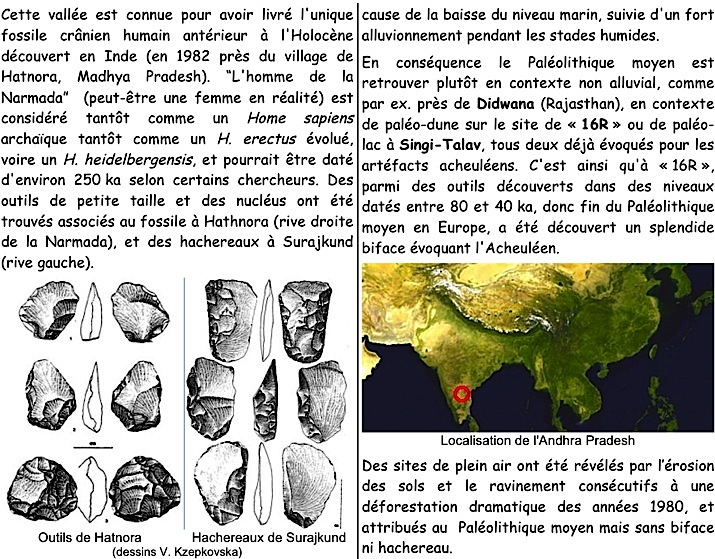
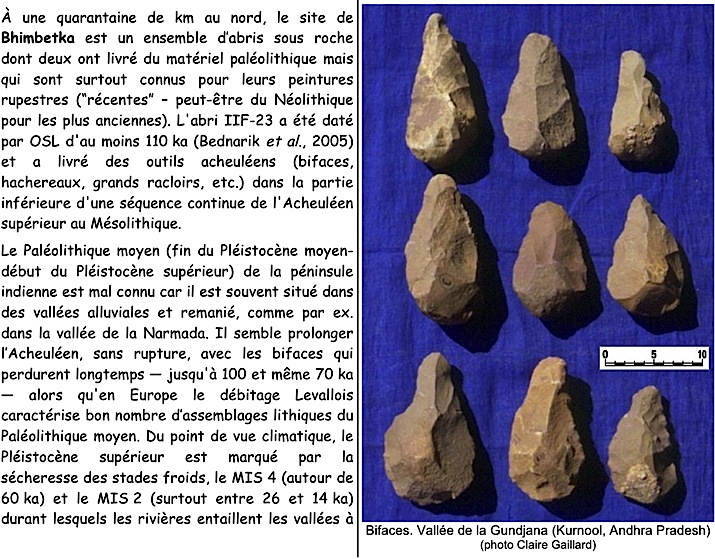
7
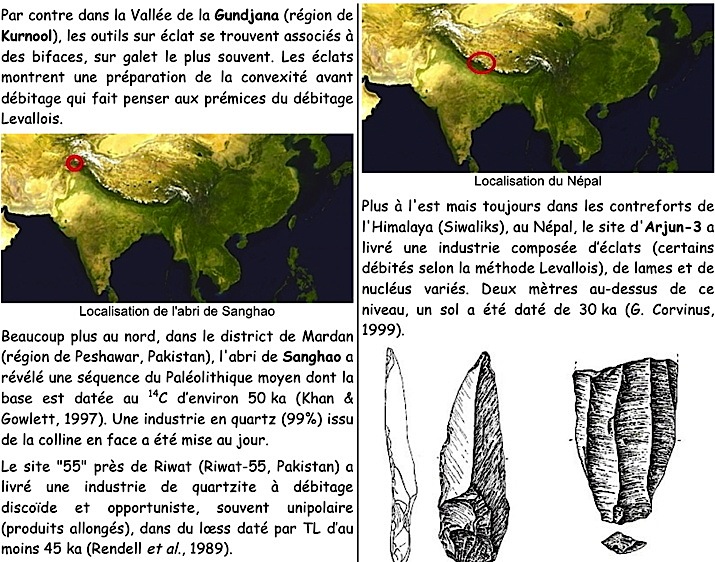
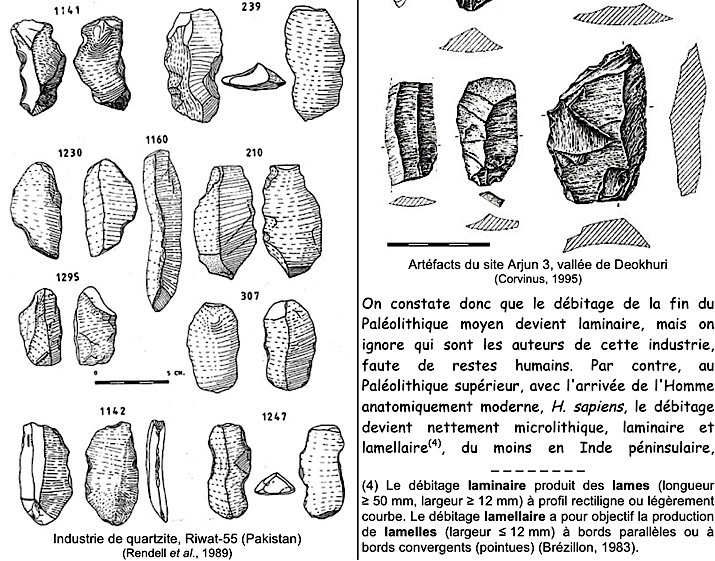
8
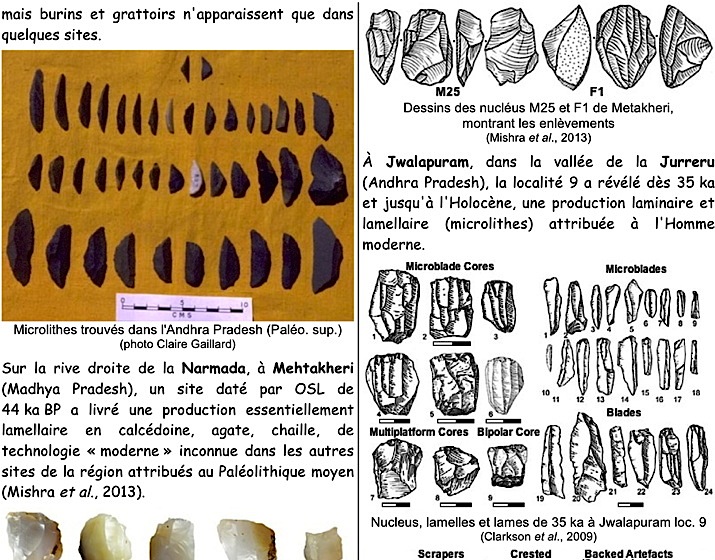
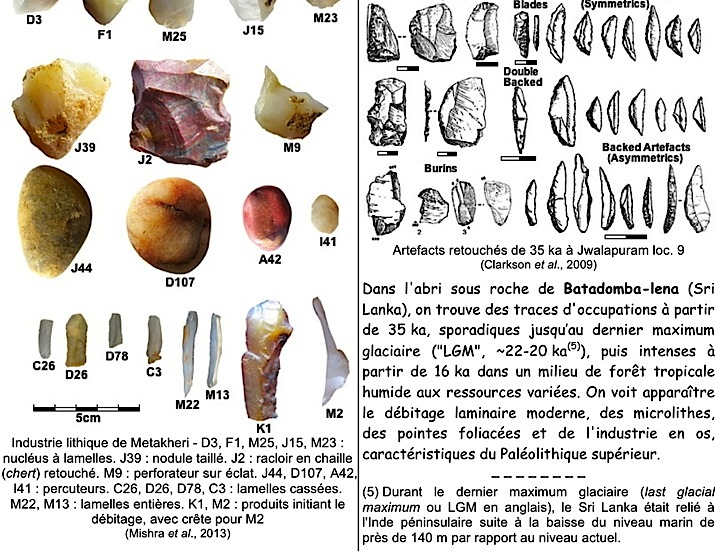
9
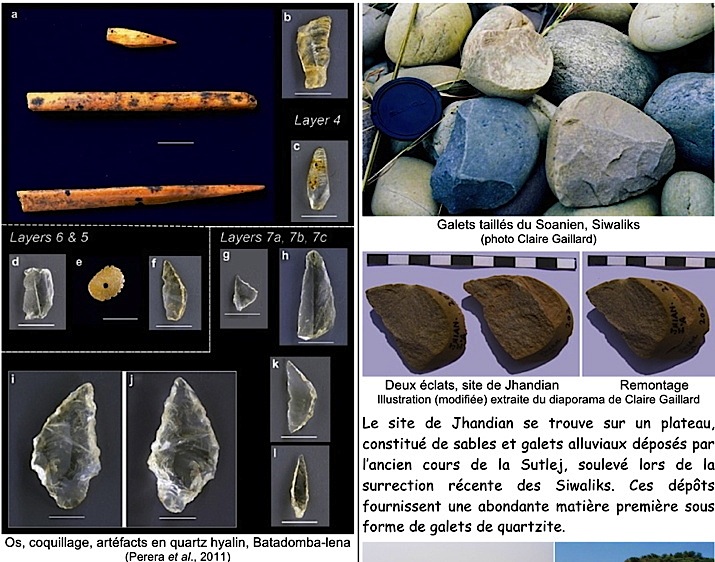
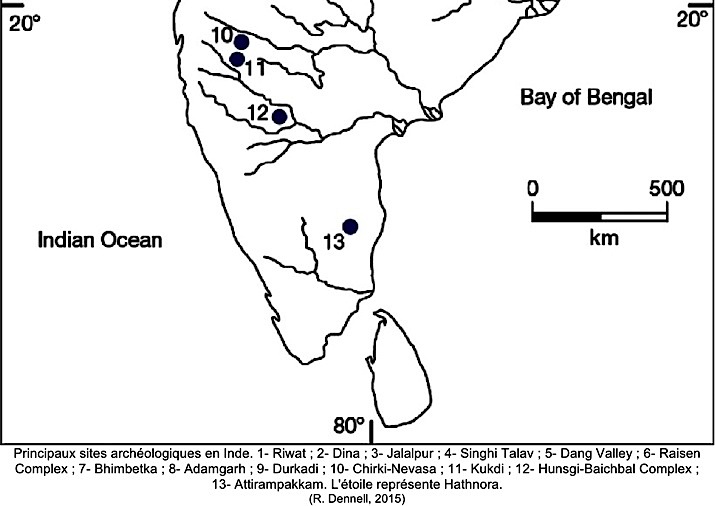
10
11
A.M.
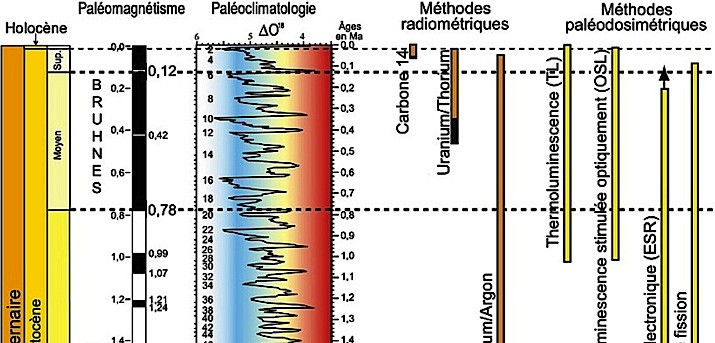
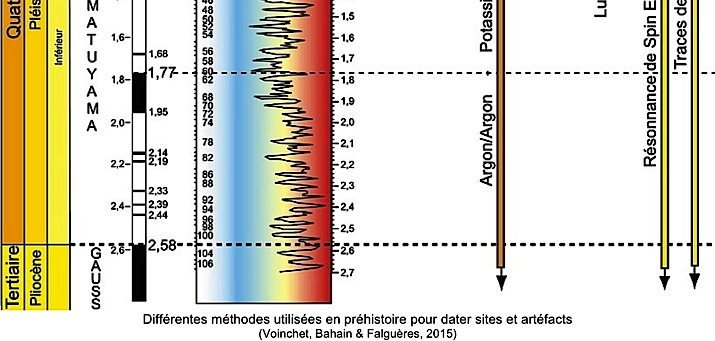
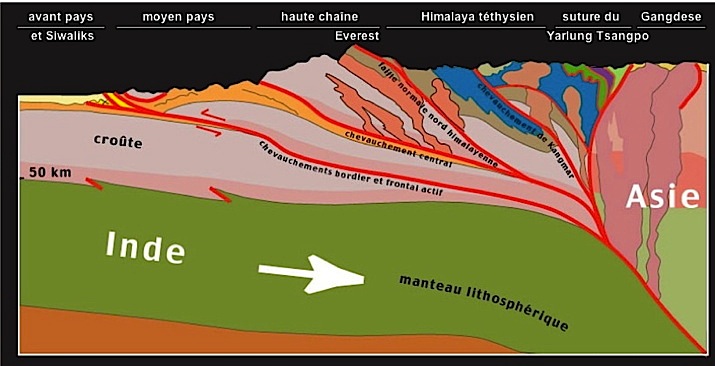
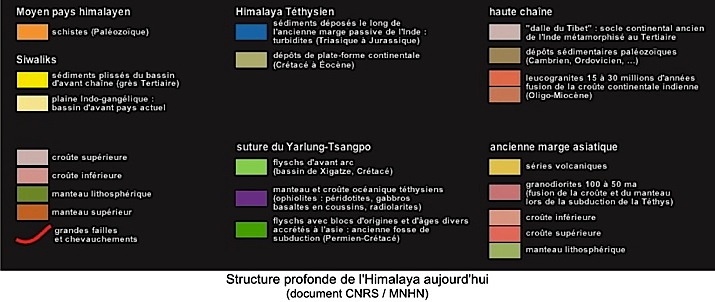
Sites web éventuels…
https://fr.wikipedia.org/wiki/Paléolithique
https://fr.wikipedia.org/wiki/Pléistocène
https://fr.wikipedia.org/wiki/Quaternaire
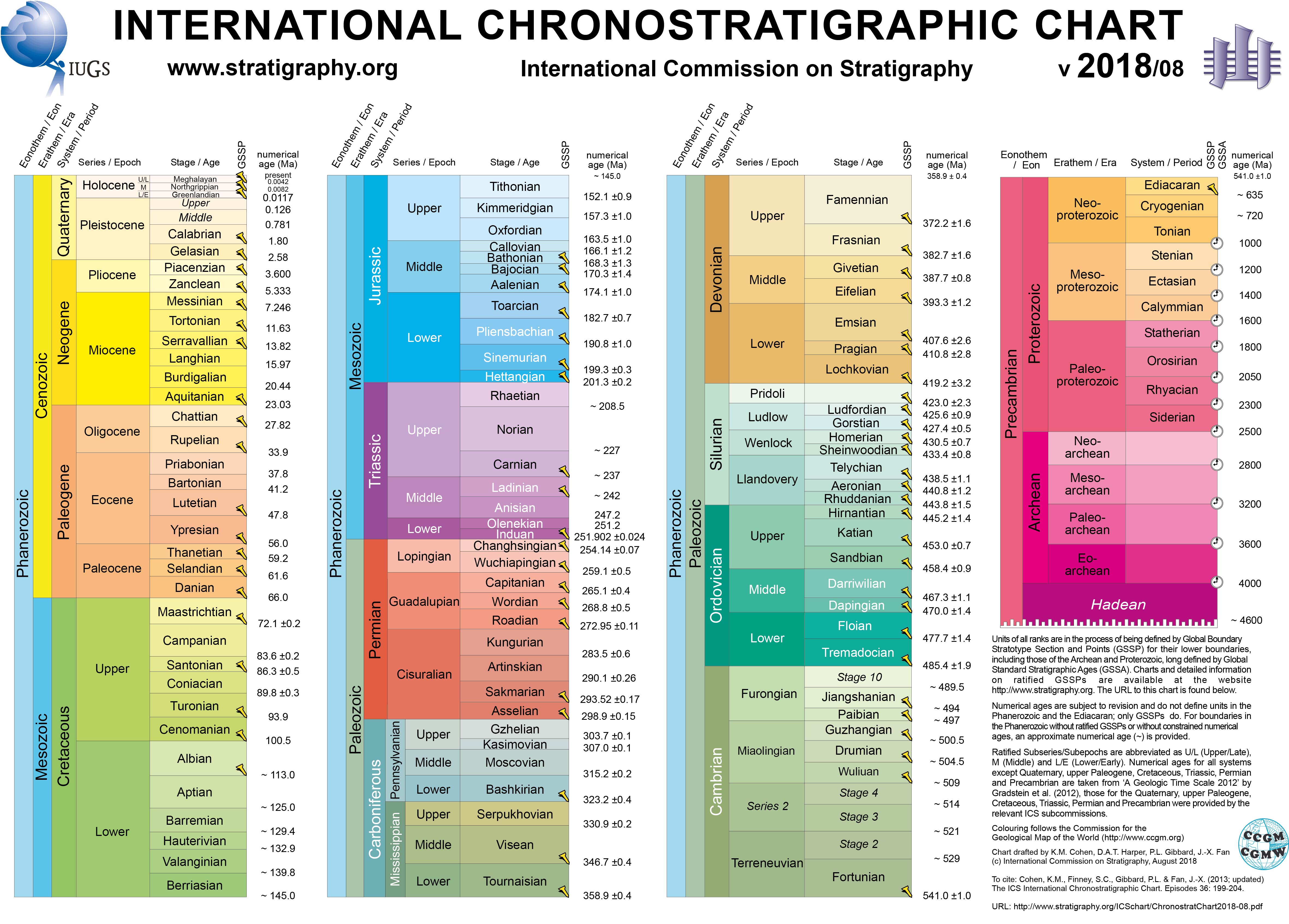
http://stratigraphy.org/ (Site le l'International Commission on Stratigraphy, accueil)
http://stratigraphy.org/ICSchart/ChronostratChart2018-08.jpg (carte des âges géologiques de l'ICS)
https://fr.wikipedia.org/wiki/Paléomagnétisme
https://fr.wikipedia.org/wiki/Paléoclimatologie
https://fr.wikipedia.org/wiki/Stades_isotopiques_de_l'oxygène
https://fr.wikipedia.org/wiki/Datation_radiométrique
https://fr.wikipedia.org/wiki/Résonance_paramagnétique_électronique
https://fr.wikipedia.org/wiki/Datation_par_luminescence_stimulée_optiquement
https://fr.wikipedia.org/wiki/Thermoluminescence
https://www.hominides.com/html/actualites/espece-humaine-himalaya-inde-2-6-millions-1006.php
https://fr.wikipedia.org/wiki/Masol
Bibliographie
Clarkson C. et al., 2009. The oldest and longest enduring microlithic sequence in India: 35 000 years of modern human occupation and change at the Jwalapuram Locality 9 rockshelter. Antiquity 83 : 326–348. (https://www.researchgate.net/publication/47806842)
Corvinus G., 1996. The Prehistory of Nepal after 10 years of research. Bulletin of the Indo-Pacific Prehistory Association, 14 : 43-55. (https://journals.lib.washington.edu/index.php/BIPPA/article/viewFile/11587/10218)
Gaillard C. & Dambricourt Malassé A., 2008. Les principales étapes de l'occupation humaine en bordure de l'Himalaya occidental. L'anthropologie, Elsevier Masson, 112 : 404-422. (https://www.researchgate.net/publication/258340470_The_main_human_occupation_phases_in_western_Himalayas_borderland)
Gaillard C. et al. (dont Dambricourt Malassé A.), 2009. Discovery of recent lithic industries with archaic features in the Hindu Kush range (Chitral district, North Pakistan). Bull. of the Indo-Pacific Prehistory Association, 2002(22) : 25-33. (https://halshs.archives-ouvertes.fr/halshs-00355935/document)
Gaillard C., Singh M. & Dambricourt Malassé A., 2010. Late Pleistocene to Early Holocene Lithic industries in the southern fringes of the Himalaya. Quaternary International, 229 : 112-122. (http://hnhp.cnrs.fr/IMG/pdf/Quater-Int-_Gaillard_Singh_Dbt.pdf)
Gaillard C. et al., 2010. Lower and Early Middle Pleistocene Acheulian in the Indian sub-continent. Quaternary International, 223-224 : 234-241. (Résumé : https://www.sciencedirect.com/science/article/pii/S1040618209002936)
Gaillard C. et al. (dont Dambricourt Malassé A.), 2016. Les industries lithiques sur les affleurements fossilifères fin Pliocène de la formation de Masol, chaîne frontale des Siwaliks, Nord-Ouest de l’Inde (Pendjab). C. R. Palevol, 15 : 341-357. (http://siwaliks-hominid.com/doc/2016)
Mishra S. et al., 2013. Continuity of Microblade Technology in the Indian Subcontinent Since 45 ka: Implications for the Dispersal of Modern Humans. PLoS ONE, 8(7) : e69280. (https://journals.plos.org/plosone/article?id=10.1371/journal.pone.0069280)
Moncel M.-H. et al. (dont Gaillard C. et Forestier H.), 2016. Assemblages with bifacial tools in Eurasia (second part). What is going on in the East? Data from India, Eastern Asia and Southeast Asia. C. R. Palevol, 17 : 61-76. (https://hal.sorbonne-universite.fr/hal-01316476/document)
Perera N. et al., 2011. People of the ancient rainforest: Late Pleistocene foragers at the Batadomba-lena rockshelter, Sri Lanka. J. Human Evol., 61 : 254-269. (http://www.academia.edu/858755)
Rajaguru S. N., Deo S. G. & Gaillard C., 2014. Pleistocene Geoarchaeology of Thar Desert. Annals of Arid Zone, 53(2) : 63-76. (http://www.cazri.res.in/annals/2014/SNRajaguru.pdf)
Singh M. & Gaillard C., 2008. ”Square tools” from the Siwaliks of North-Western India : flat choppers, axes, adzes ? ”Prehistoric Investigations in the Siwalik Frontal Ranges of Punjab (Part II). Between Jaijon-Doaba and Roopnagar”, Govt of Punjab, department of Cultural Affairs, Archaeology and Museums, pp.200. (https://halshs.archives-ouvertes.fr/halshs-00354733/document)
Sonakia A. & de Lumley H., 2006. Narmada Homo erectus – A possible ancestor of the modern Indian. C. R. Palevol, 5(1-2) : 353-357. (Résumé : https://www.sciencedirect.com/science/article/pii/S1631068305001272)
Westaway R. et al., 2011. Methods for determination of the age of Pleistocene tephra, derived from eruption of Toba, in central India. J. Earth Syst. Sci. 120(3) : 503–530. (https://www.researchgate.net/publication/225168395)
Zeitoun V., Forestier H. & Nakbunlung S., 2008. Préhistoires au sud du Triangle d’or. Marseille : IRD Éditions.
(Chapitre 1. Théories, modèles et controverses sur les premiers humains en Asie du Sud-Est : https://books.openedition.org/irdeditions/1834)
(Chapitre 2. Technologie de la pierre taillée en Asie du Sud-Est : https://books.openedition.org/irdeditions/1835)
(Chapitre 3. Les grands mammifères comme marqueurs privilégiés : https://books.openedition.org/irdeditions/1836)
(Chapitre 4. Les grottes du nord de la Thaïlande : https://books.openedition.org/irdeditions/1837)
(accès aux autres parties du livre en cliquant dans les rectangles du bandeau au-dessus du titre)
Mots-clés : Quaternaire, Pléistocène, Paléolithique, Soanien, Hoabinhien, choppers, chopping tools, cobble tools, Himalaya, Siwaliks, Masol, Riwat, Pabbi Hills, Attirampakkam, Isampur, Morgaon, Didwana, Singi-Talav, Dina, Jalalpur, Atbarapur, Satpati, Gadari, Narmada, Bhimbetka, Mehtakheri, Jwalapuram, Batadomba-lena, Jhandian


Réagir